Ducks
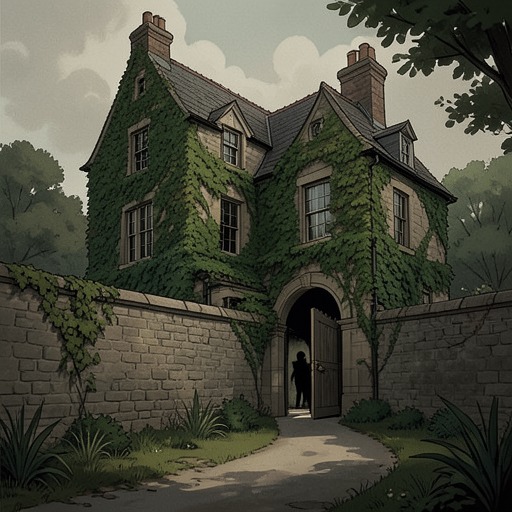
A Murder Is AnnouncedThe ducks kept at Little Paddocks are a small but recurring part of domestic life in A Murder Is Announced. Their care gives Miss Blacklock a practical reason to leave the room on the evening of the advertised murder, and that apparently routine errand later matters when the household’s access points come under scrutiny. In a story crowded with ominous notices and suspicious movements, the ducks belong to the ordinary work that continues around the crime—and helps shape the circumstances in which it occurs.
Household Routine
The village’s poultry appears first as everyday business rather than mystery. Miss Murgatroyd asks how many eggs have been collected; the answer is seven, and Miss Hinchcliffe remarks that a hen is still broody and must be put into the coop. She then wades through the mud to catch a speckled hen, while Miss Murgatroyd’s attention returns to the strange notice in the Gazette. The contrast is pointed: an enigmatic announcement may unsettle one woman, but the immediate needs of the animals hold the other’s attention.
Miss Hinchcliffe expresses a preference for ducks, judging them less troublesome than hens. That practical aside gives the birds a place in the household’s scale of effort: they are familiar, manageable creatures in a world where human motives are becoming harder to read. The novel does not make them symbolic actors or give them a perspective of their own; instead, their presence helps establish the texture of daily life around Little Paddocks.
The Evening of the Announcement
When the murder notice is discussed at Little Paddocks, Miss Blacklock says she must go and shut up the ducks because it is dark and they will be in by then. Phillipa offers to do it, but Miss Blacklock refuses, telling her that she has finished her day’s work. The exchange presents the errand as an ordinary responsibility and establishes that Miss Blacklock herself leaves the room to attend to it.
The detail returns during the later questioning about the house’s entrances. Miss Blacklock confirms that she went out through the side door to shut up the ducks not long before the visitors arrived. Asked whether the door was locked when she went out, she frowns; the supplied account does not give her answer. The episode therefore fixes a relevant circumstance—the side door was used shortly before the gathering—without, by itself, resolving whether it was secured or what that meant for the crime.
Narrative Significance
The ducks connect two strands of the scene: domestic routine and the practical reconstruction of access to the house. First, they prompt Miss Blacklock to leave the room; later, the same errand anchors a question about the side door. Their narrative importance lies not in any exceptional behavior by the animals but in the ordinary task that places a person at an entrance shortly before the gathering.
That modest function suits the novel’s attention to how a mystery grows out of familiar details. Poultry, mud, eggs, and the closing of the garden-side entrance sit beside the murder announcement without seeming at first to belong to the same pattern. When the door becomes relevant, the domestic errand has acquired investigative weight, while remaining just that: an errand to put the ducks away for the night.